
Editorial Design
2021 · User Experience (UX)
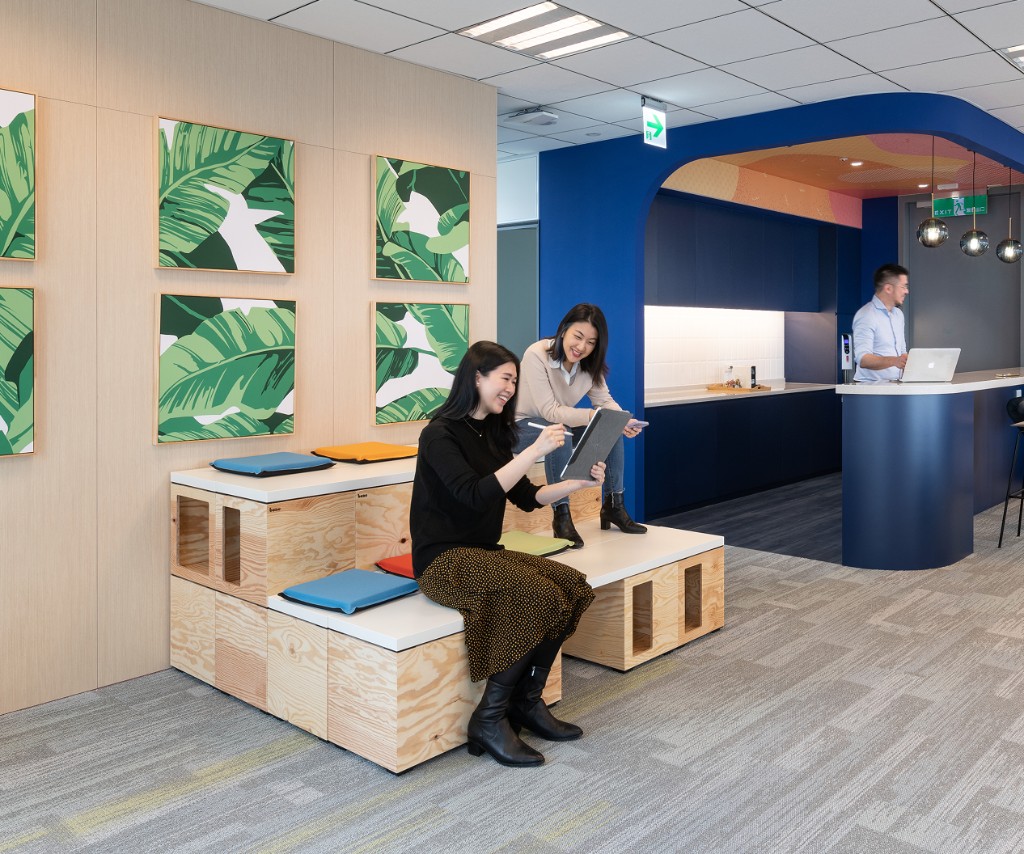
- Workplace UX
- Journey mapping
- Research
- Visualization
- Stakeholder narratives
Overview
Redesigning the workplace to better support how teams collaborate, focus, and operate day to day.
- Workplace reality
- The office setup limited collaboration and did not reflect evolving work patterns.
- Strategic reframe
- I reframed the project as a workflow strategy problem, not only a spatial redesign task.
- Business outcomes
- The strategy supported more won projects and large measurable business outcomes.
Challenge
The office setup limited collaboration and did not reflect evolving work patterns.
Decision
I reframed the project as a workflow strategy problem, not only a spatial redesign task.
Impact
The strategy supported more won projects and large measurable business outcomes.
- assets/source-images/img-013.jpeg
- feature
- The intricacies of strategic planning on user experience go beyond mere material replacements or carpet selections.
- Here's how that unfolded for this program.
Syneos Health
Syneos Health is the client for this engagement, a global health and pharmaceutical services organization. I was part of the delivery team at M Moser Associates, the workplace strategy and design firm I was with at the time, which led the research, user-centered planning, and spatial narrative described throughout this case study.
- Workplace strategy and experience · with M Moser Associates
- Syneos Health
- M Moser
- Existing conditions
- Existing layouts showed inefficiencies, including underutilized space and limited access to collaborative resources.
- Strategic objective
- Create a balanced office layout that maximizes space usage, fosters team collaboration, and supports productivity, all while reducing overall real estate expenses.
- Business impact
- Won more projects and 558M+ USD in related business impact.
Design Challenge
- assets/space-problem-solution-icons.svg
- diagram
- Problem complexity versus aligned direction and solution clarity.
- Revamping a cluttered office is a familiar brief. The intricacies of strategic planning for workplace experience go beyond material replacements or carpet selections.
- Explore how we harmonized employee needs (safety, lifestyle, collaboration) with company objectives (innovation, customer engagement) to elevate motivation and productivity.
What we have done
- Strategic discovery across business goals, user insight, and spatial reality.
- Create flexibility systems that support changing work modes.
Five steps for strategic planning workflow
- timeline
Redesign and optimization
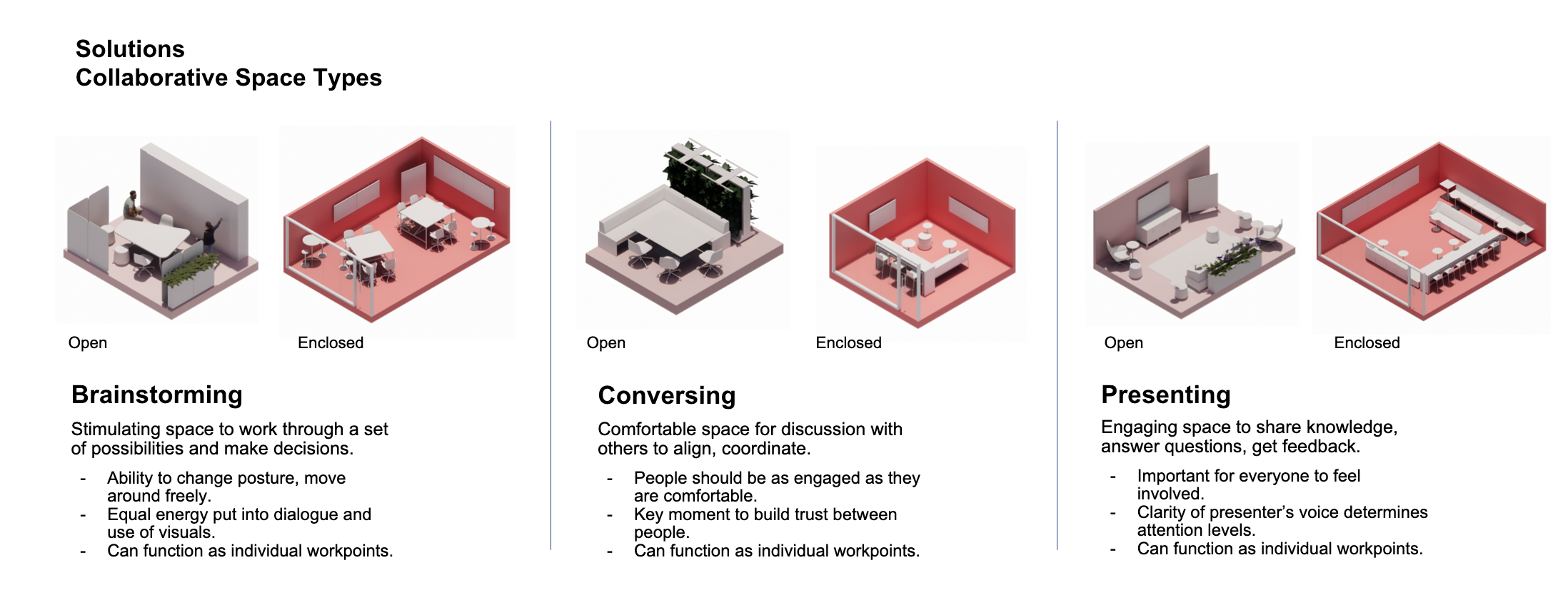
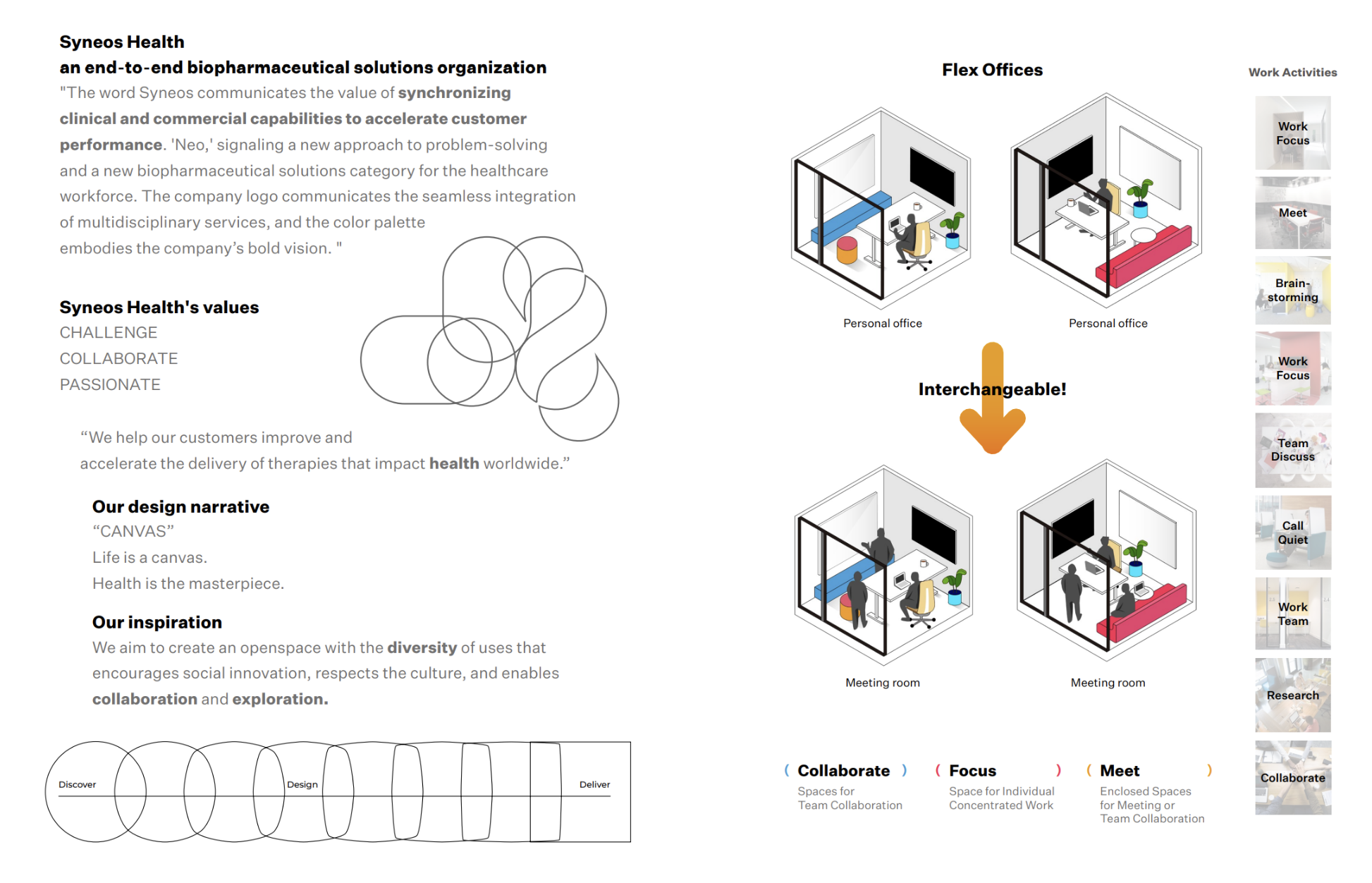
Rethink work modes: individual, collaborative, and social, to foster productivity and synergy.
- Create an on-site space for focused work, another for collaboration with minimal distractions, and additional spaces for socialization, all interconnected by seamless digital experiences.
- assets/source-images/img-110.gif
- feature
Ideation
- stack
- assets/source-images/img-ideation-workplace-evolution.png
- diagram-wide
- During ideation, this Past / Present / Future frame separated cosmetic updates from experience strategy: harmful defaults, a “not bad” present many companies settle for, and a direction where work can actively be good for people, not only less bad.
- I used that lens to tie modes, policy, and place together so stakeholders could see a phased path from today’s reality to that future state.
Future workplace
The direction connects physical zones, digital touchpoints, and policy so teams can move between focus, collaboration, and recovery without friction.
Environment studies and references
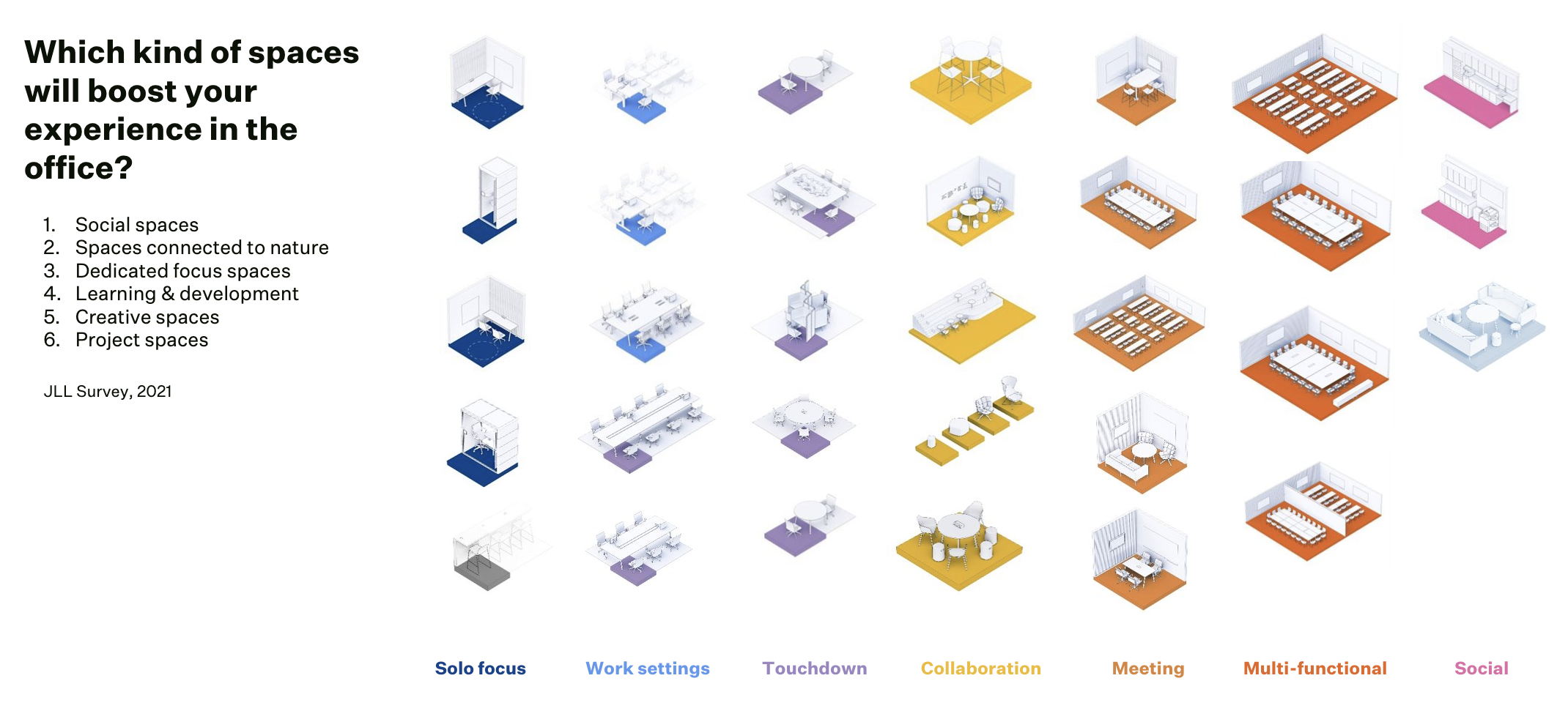
- Partner and workplace brand context (JLL).
- Intuitive workplace planning reference.
- feature
Final design
The outcome is a workplace story stakeholders can explain, defend, and phase over time, not only a floor plan.
Gallery
- Spatial study: circulation and adjacencies.
- Concept exploration.
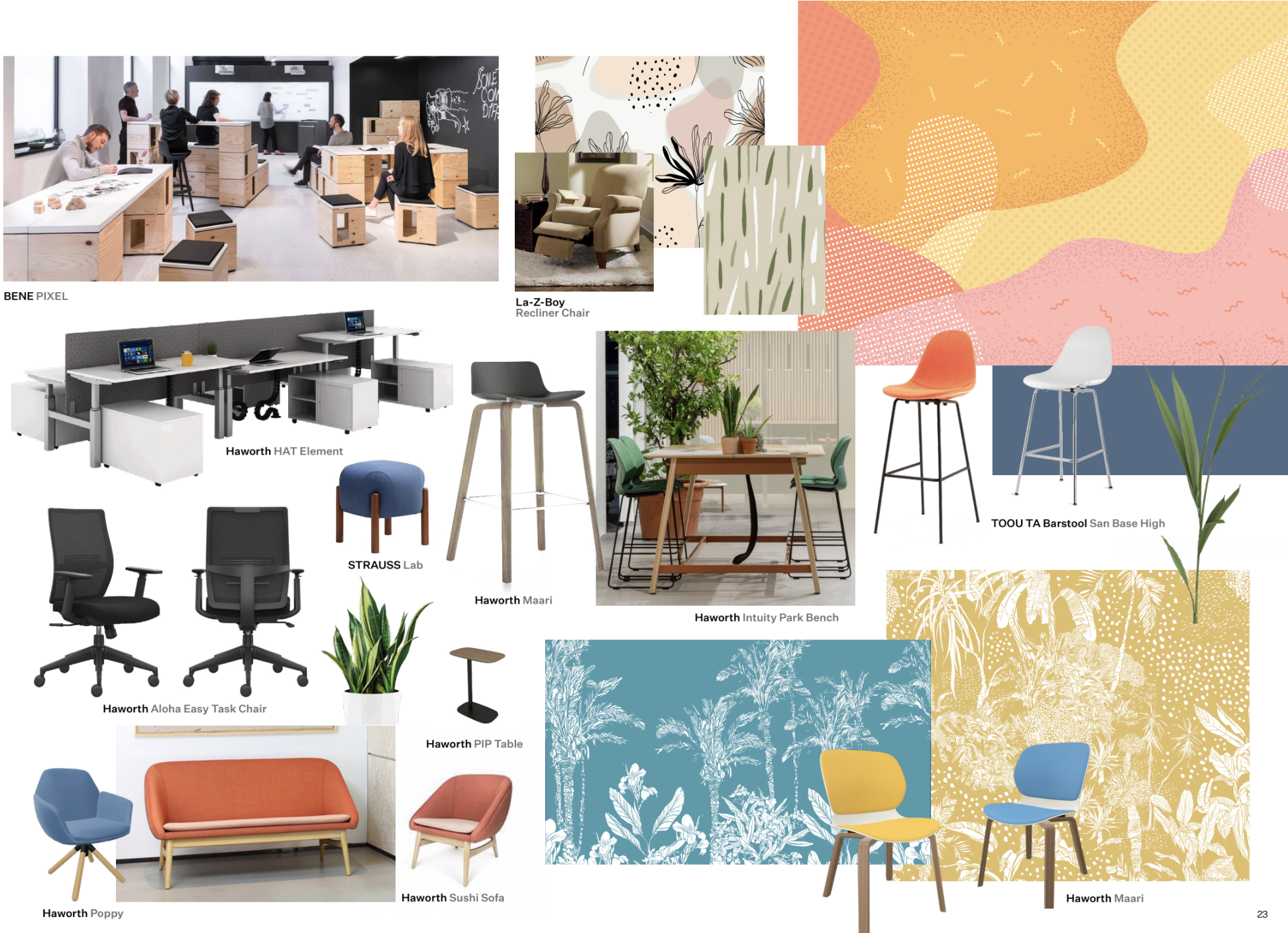
- Mood and material direction.
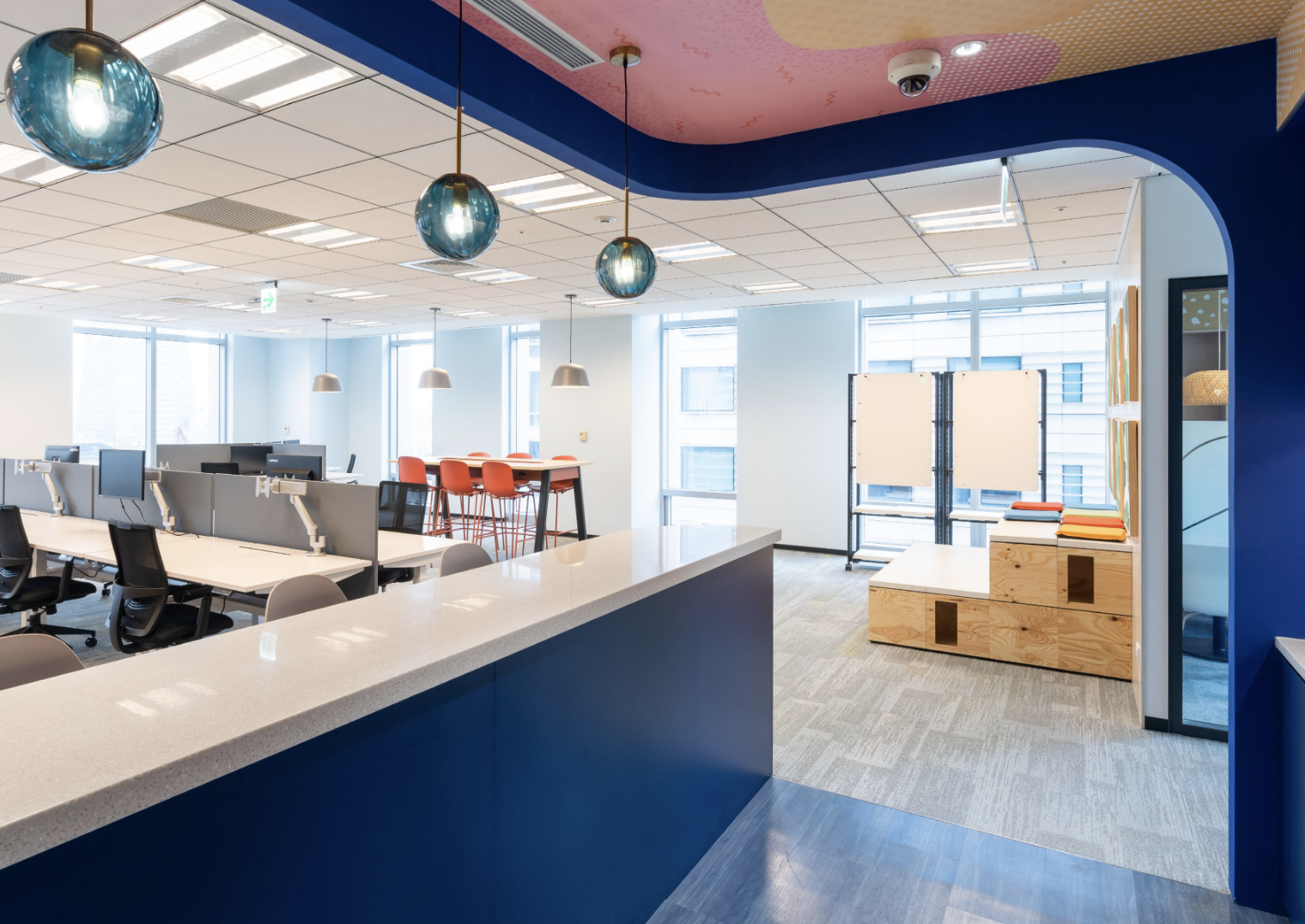
- Open work area direction.
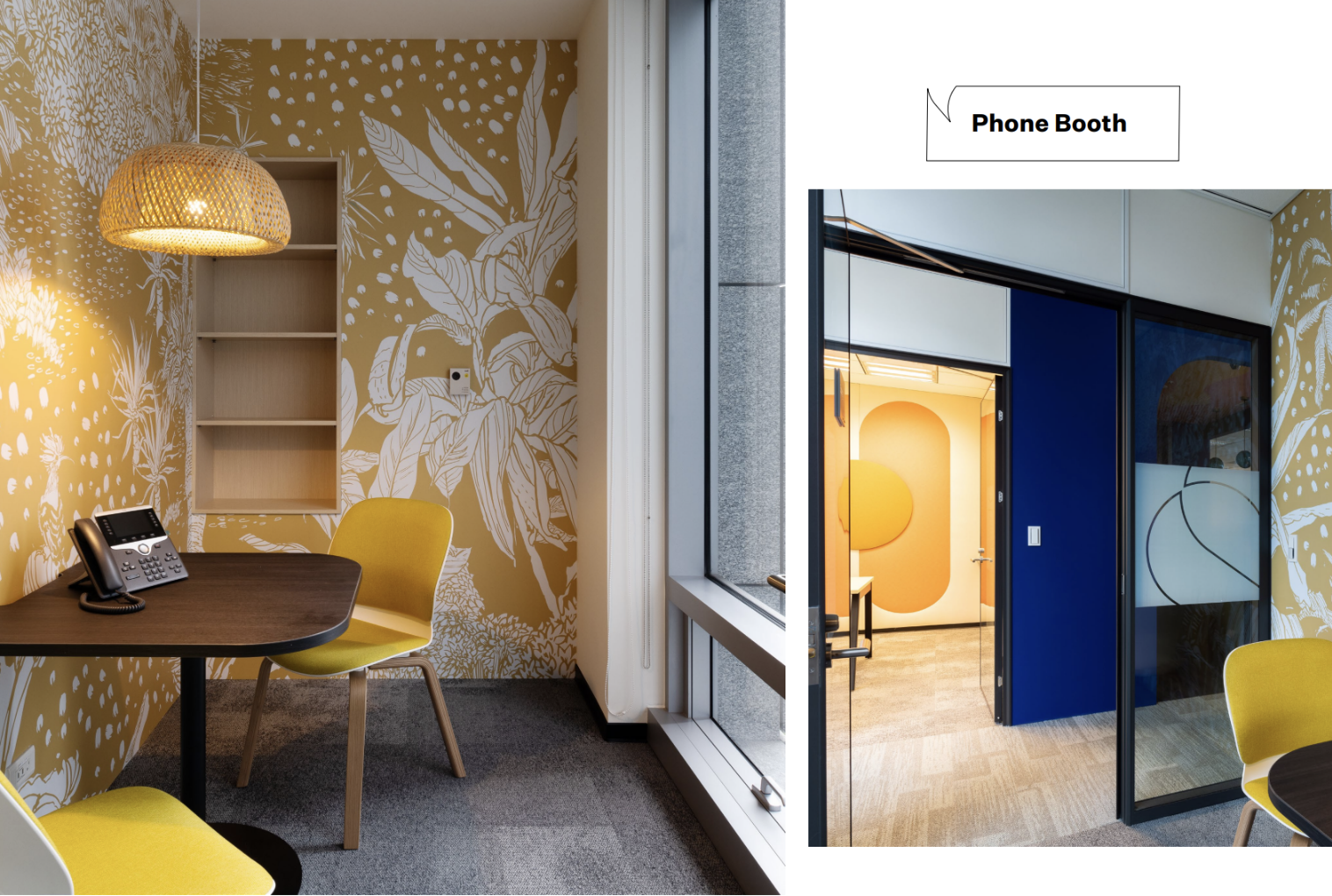
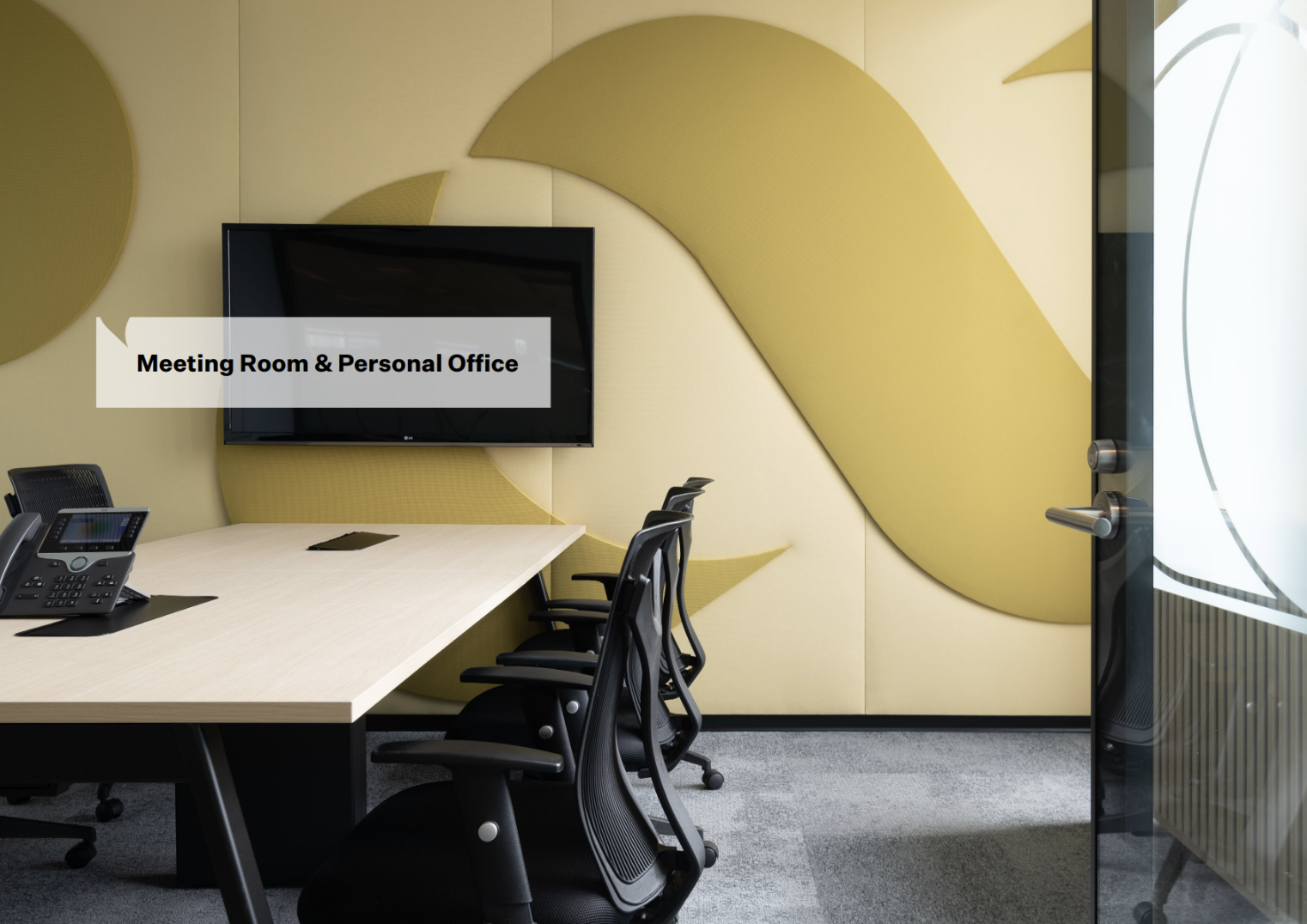
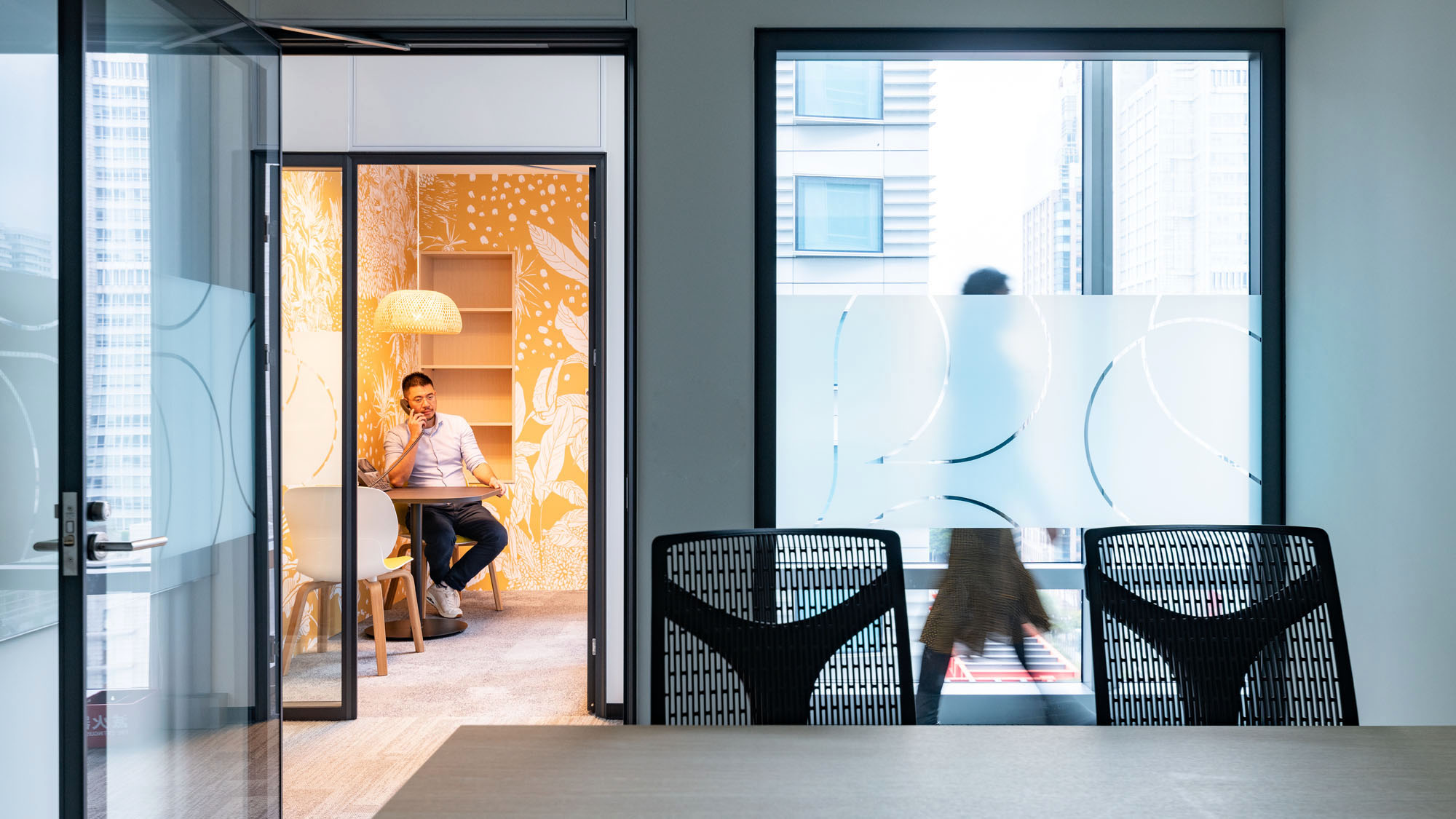
- Focus and phone-booth strategy.
- Studio session: testing scale and comfort.
- Transit and mobility layer (MTR context).
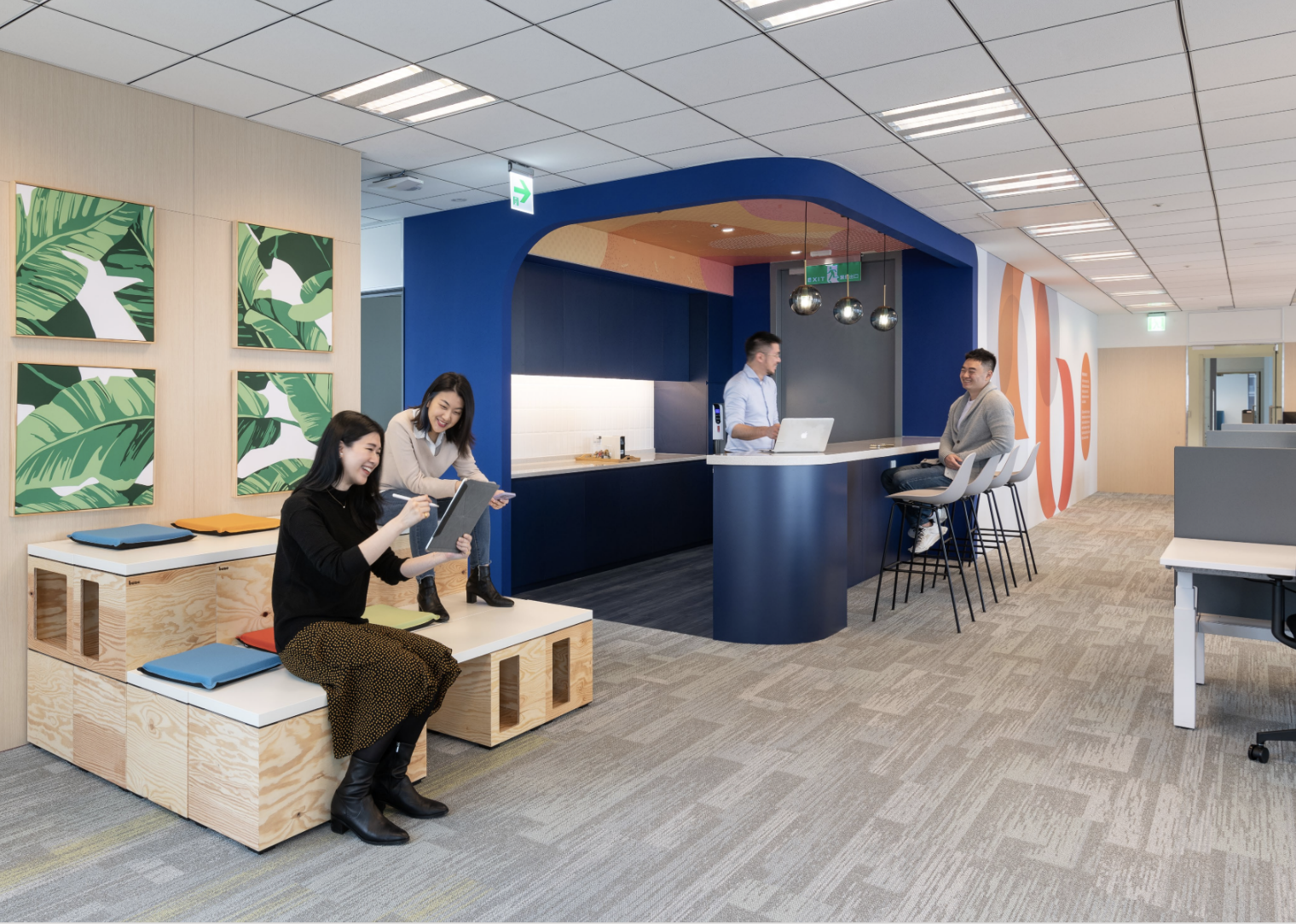
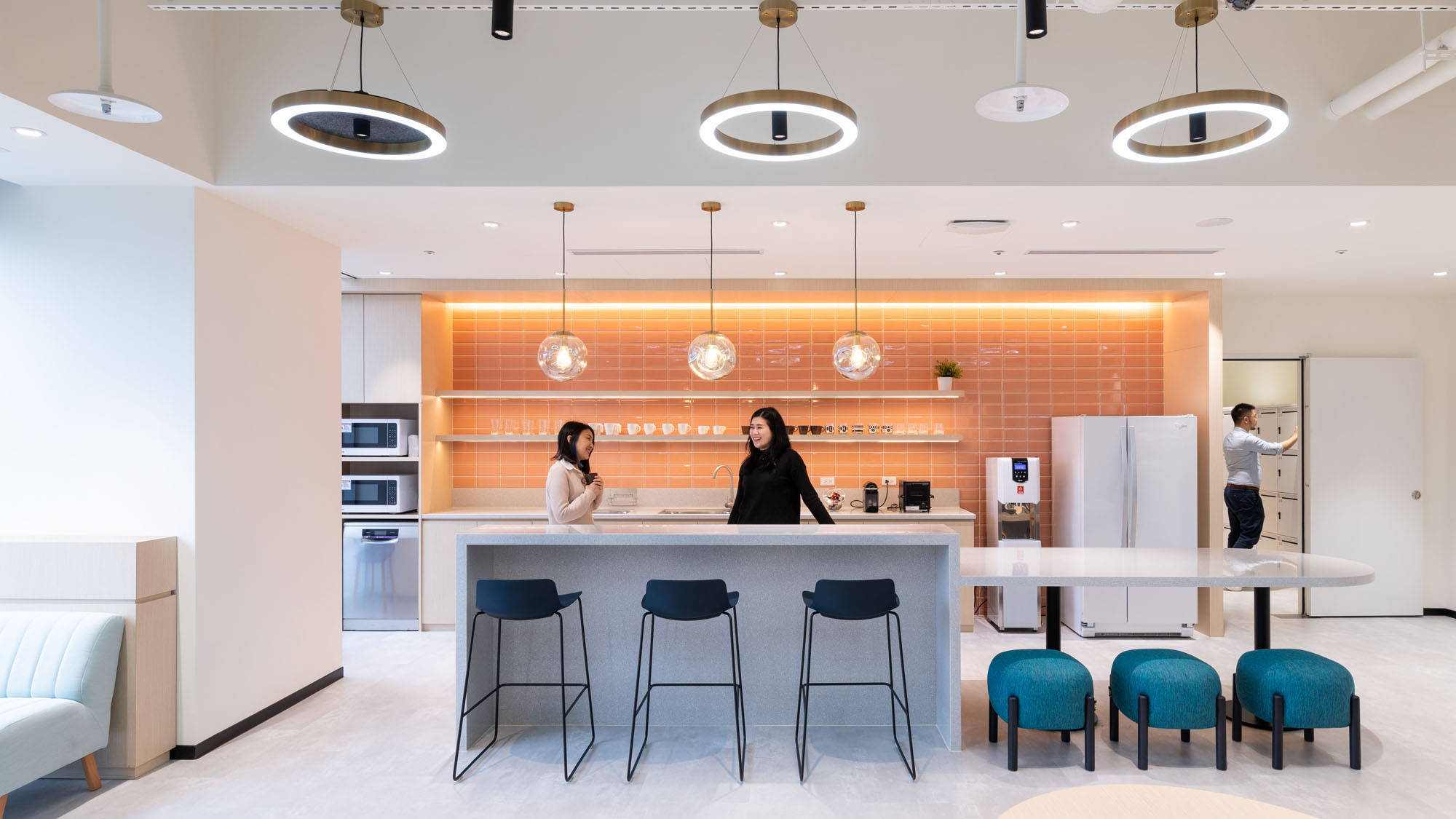
- Pantry and social hub.
- On-site session documentation.
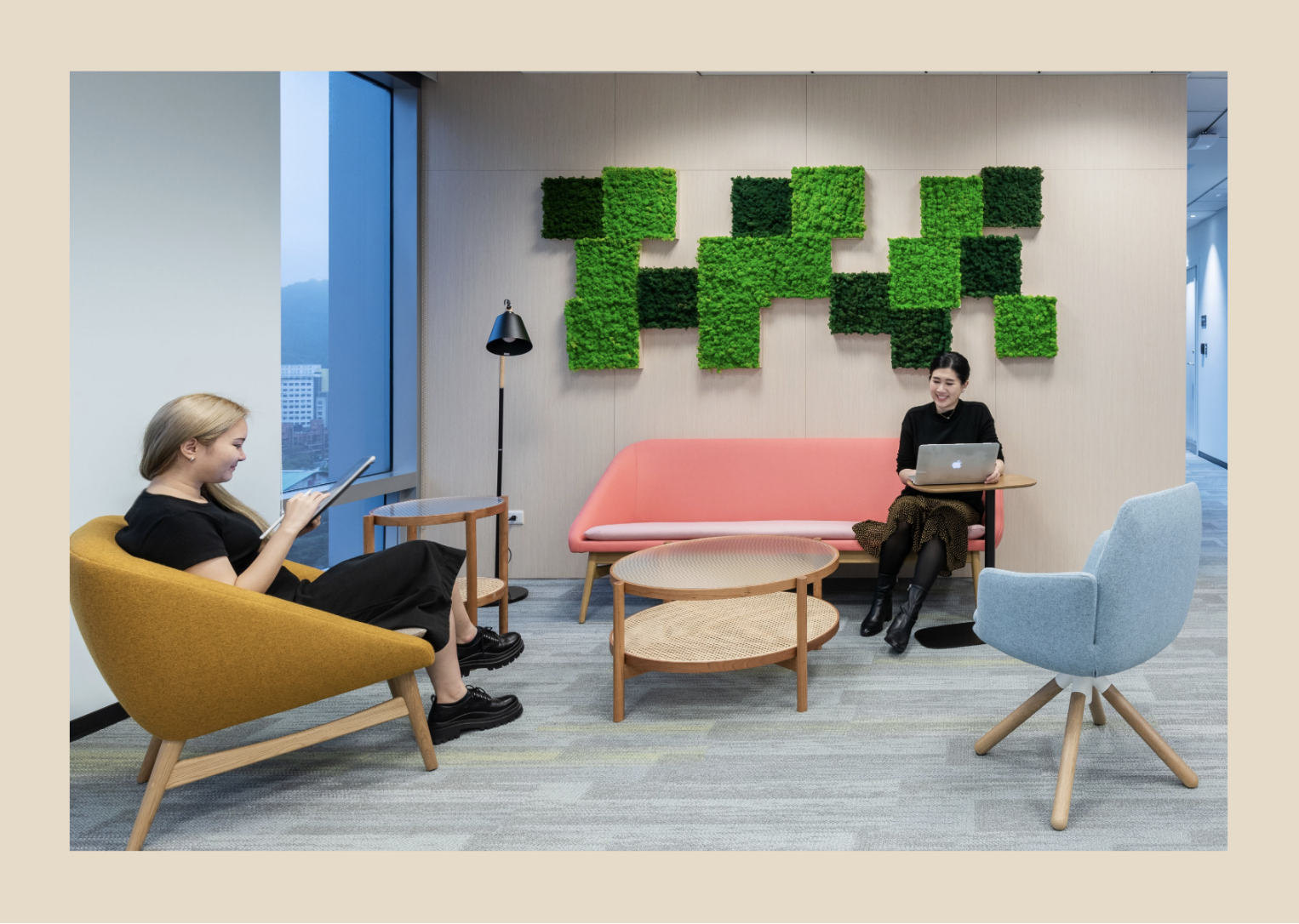
- Lounge and soft seating study.
- feature
Strategic lessons from complex projects
- Final takeaway
- Navigating stakeholder complexity is a skill
- Enterprise projects involve multiple decision-makers, from C-level leaders to compliance teams. Balancing perspectives while maintaining design integrity is critical. Proactively communicate tradeoffs and frame design decisions around business impact.
- Research is more than users alone. It is about systems.
- Enterprise design requires understanding systems, technical constraints, and compliance policies. Early assessment can ensure feasibility and avoid costly redesigns.
- Execution speed matters more than perfection
- Agile execution is key. Prioritize phased rollouts, fast validation cycles, and scalable frameworks to drive impact efficiently.